
Employers’ Liability Insurance for Scaffolders: What the Law Requires
Published on: March 5, 2026
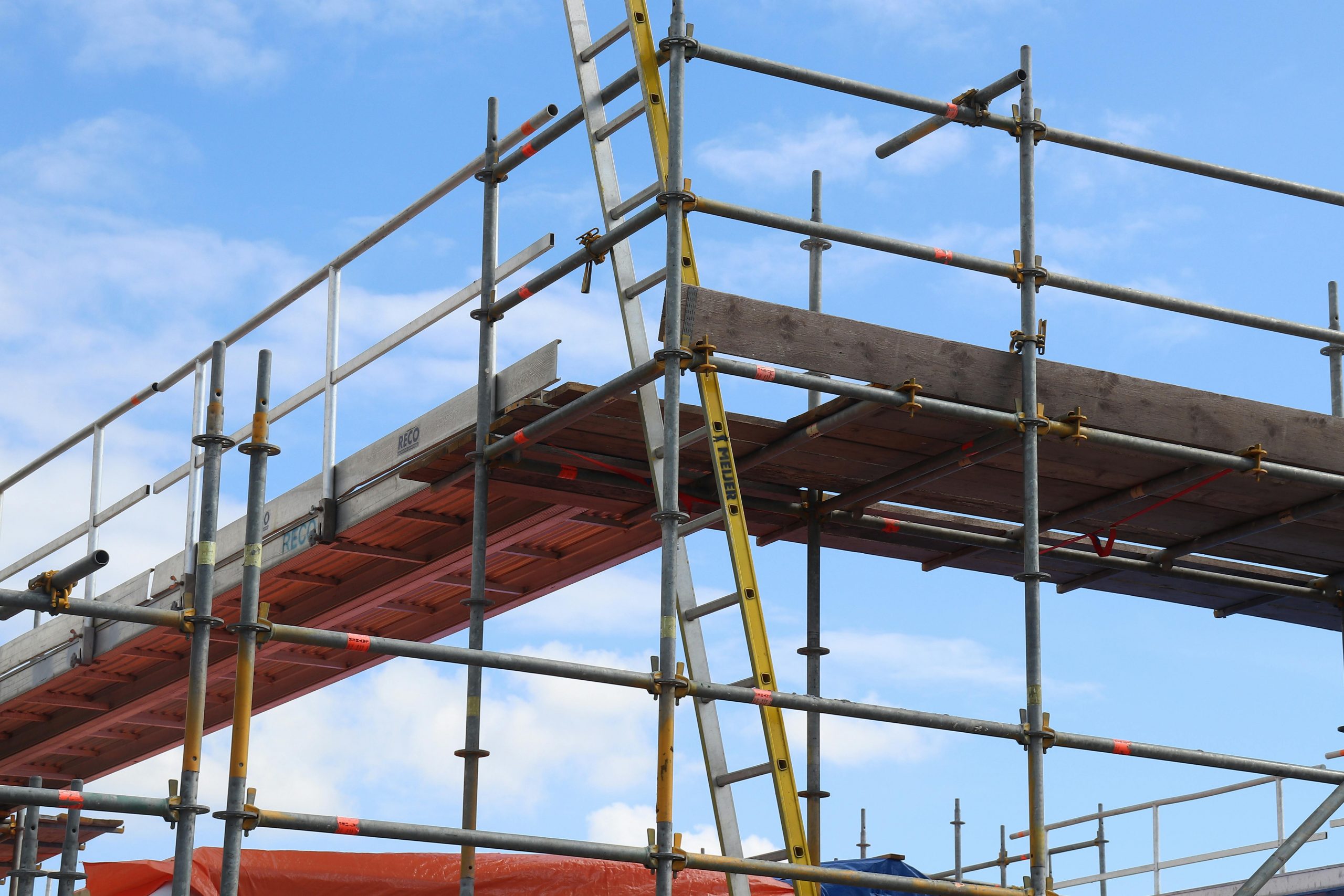
If you run a scaffolding business and employ staff, even on a casual or part-time basis, Employers’ Liability Insurance isn’t optional. It’s a legal requirement. Yet it remains one of the most misunderstood types of cover in the trade.
This guide explains what the law says, who it applies to, and what scaffolding businesses need to know to stay compliant.
What Is Employers’ Liability Insurance?
Employers’ Liability (EL) Insurance protects your business if an employee suffers an injury or illness as a result of their work. If they make a claim against you, this cover helps with:
- Legal defence costs
- Compensation payouts awarded by courts
- Related expenses arising from the claim
In scaffolding, a trade with inherent risks including working at height, handling heavy materials, and exposure to the elements – the potential for workplace injury is significant. EL insurance is the financial safety net that keeps your business from bearing those costs alone.
Is Employers’ Liability Insurance a Legal Requirement for Scaffolders?
Yes. Under the Employers’ Liability (Compulsory Insurance) Act 1969, any business that employs staff in the UK must hold a valid EL policy with a minimum indemnity limit of £5 million.
This applies regardless of the size of your business, whether you’re a sole trader with one employee, a small scaffolding firm, or a larger operation with a fleet and full crew.
→ The minimum legal requirement is £5 million cover. → You must display your EL certificate at your workplace (or make it available digitally). → You must be able to produce your certificate if inspected by the Health and Safety Executive (HSE). |
Who Counts as an ‘Employee’ in Scaffolding?
This is where many scaffolders get caught out. The definition of ’employee’ is broader than most people expect. You may need EL insurance if you engage:
- Full-time employees on PAYE
- Part-time or seasonal staff
- Apprentices or trainees
- Labour-only subcontractors (in many cases)
- Workers provided through a gangmaster or agency
The key test is the level of control you exercise over the individual’s work. If you direct when, where, and how they work — even informally — they may be classified as an employee for insurance purposes.
What Does Employers’ Liability Insurance Cover?
A standard EL policy for scaffolders will typically cover claims arising from:
- Falls from height (ladders, platforms, incomplete structures)
- Injuries from falling or dropped objects
- Manual handling injuries — back strain, repetitive stress
- Exposure to hazardous materials on site
- Accidents involving plant or machinery
- Work-related illness developing over time (e.g. hearing loss, respiratory conditions)
Because scaffolding involves elevated risk compared to many other trades, it’s important that your policy does not contain exclusions that would apply directly to your day-to-day activities — particularly height work.
What Level of Cover Do Scaffolders Need?
The legal minimum is £5 million. In practice, many insurers offer £10 million as standard — and for scaffolding work, this is often the more appropriate level.
→ £5 million: Legal minimum — satisfies basic compliance. → £10 million: Commonly required by larger contractors and frameworks. → Some contracts or local authority tenders may specify £10 million explicitly. |
Always check the requirements of any contract you’re tendering for, and ensure your policy limit matches before committing.
What Happens If You Don’t Have Employers’ Liability Insurance?
Operating without valid Employers’ Liability Insurance is a criminal offence. The Health and Safety Executive (HSE) can issue fines of:
→ Up to £2,500 per day for every day you are uninsured. → Up to £1,000 for failing to display or produce your certificate. |
Beyond the financial penalties, being uninsured means that any compensation claim from an injured worker would come directly out of your business — or your personal assets if the business can’t cover it. For scaffolding, where injury claims can be substantial, this is a serious exposure.
Does Employers’ Liability Insurance Cover Subcontractors?
This is one of the most common grey areas in scaffolding businesses.
Genuine self-employed subcontractors with their own insurance are generally not covered under your EL policy. However, as noted above, labour-only subcontractors who are under your direction and control may be treated as workers, and your EL policy may need to reflect this.
If you regularly use subbies, speak to your broker about how they should be declared. Failing to declare the correct workforce can invalidate a claim.
Tips for Managing Your Employers’ Liability Premium
- Maintain accurate records of your workforce and wage roll, premiums are often calculated on payroll figures
- Invest in health and safety training, fewer incidents means fewer claims and lower renewal costs
- Keep a detailed accident log, demonstrates due diligence to insurers
- Review your policy annually as your business grows or your workforce changes
- Bundle EL with other covers (e.g. Public Liability, Fleet), package policies can be more cost-effective
Frequently Asked Questions
Do I need Employers’ Liability if I only use self-employed subcontractors?
Possibly. If those subcontractors work under your direction and control, they may legally be classified as workers, and you may still need Employers’ Liability cover. Always check with your broker.
What if I’m a sole trader with no staff?
If you have no employees and work entirely alone, EL insurance is not legally required. However, if you take on anyone to help, even temporarily, the requirement applies.
Can I be fined if my Employers’ Liability certificate isn’t displayed?
Yes – up to £1,000 for failing to display or produce your Employers’ Liability certificate on request.
Does Employers’ Liability insurance cover occupational disease claims?
Yes. Standard policies cover illness or disease that develops as a result of working conditions, such as hearing damage from site noise or respiratory conditions from dust exposure.
Need Scaffolders Insurance?
If you need Employers’ Liability Insurance or want to review your current cover, our team at Scaff Cover can help find the right policy for your business. Get a Quote Today – Call 01233 222562 or complete this form.