
Public Liability Insurance for Scaffolders: What Limits Do You Really Need?
Published on: March 3, 2026
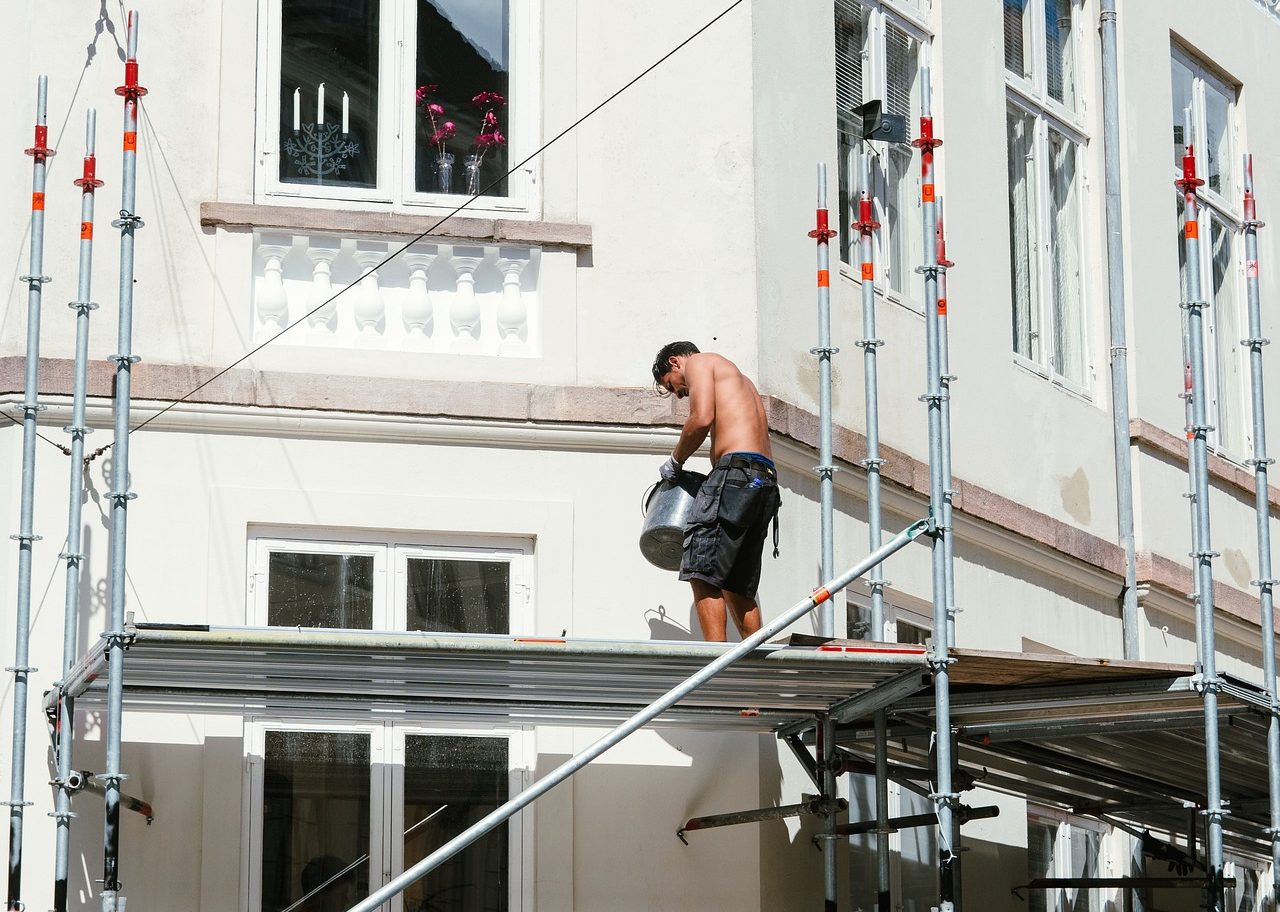
Working at height, operating in public spaces, and assembling temporary structures means scaffolding carries a higher third-party risk profile than many other trades. For that reason, public liability insurance is one of the most important covers scaffolders consider.
But one of the most common questions is:
How much public liability cover do I actually need – £1m, £5m, or £10m?
This guide explains how limits work, what influences the level required, and what scaffolders should consider before arranging cover.
What Is Public Liability Insurance for Scaffolders?
Public liability insurance is designed to cover your legal liability if your scaffolding business causes:
- Injury to a third party (e.g. a member of the public or contractor)
- Damage to third-party property
- Legal defence costs associated with a covered claim
For scaffolders, risks can include:
- Falling materials
- Scaffold collapse (subject to policy terms)
- Damage to roofs, vehicles or neighbouring property
- Incidents in high-footfall public areas
Policies are typically written on an “any one claim” basis, but limits and conditions vary by insurer.
What Limit Do Most UK Scaffolders Need?
There is no universal requirement, but in the UK:
- £1 million is usually considered a minimum baseline
- £5 million is commonly required by contractors
- £10 million is often required for local authority or large commercial projects
The correct limit depends on your contracts, project size, and risk exposure.
Why Scaffolders Often Need Higher Limits
Scaffolding presents unique exposure:
- Work at height
- Public footpaths and highways
- Heavy materials
- Multi-storey installations
- Ongoing structural responsibility while scaffold remains erected
Because of this, contractors, principal contractors, and local authorities frequently require scaffolders to hold higher limits of indemnity.
£1m vs £5m vs £10m: What’s the Difference?
£1 Million Public Liability
Suitable in limited circumstances, such as:
- Small domestic jobs
- Private homeowner work
- Low-risk, low-height projects
However, many commercial contracts will not accept this level.
£5 Million Public Liability
Commonly required for:
- Domestic scaffolding businesses
- Small to medium commercial sites
- Contractor framework agreements
For many UK scaffolders, £5m is the most practical working level.
£10 Million Public Liability
Often required for:
- Local authority work
- Government contracts
- Large commercial or industrial projects
- High footfall public areas (town centres, retail units)
Some tenders will automatically specify £10m.
Does Location in the UK Affect Insurance Requirements?
Yes, particularly where work is carried out in:
- Busy city centres
- Public highways
- High-density residential areas
- Council-managed properties
Urban areas such as London, Birmingham, Manchester and other major cities may carry higher perceived third-party exposure compared to rural domestic projects.
Contractual requirements, rather than geography alone, usually determine the minimum limit required.
What Happens If Your Public Liability Limit Is Too Low?
If your policy limit does not meet contract requirements, you may:
- Be unable to win the job
- Delay project start dates
- Need to increase cover mid-term
- Risk breach of contract
In the event of a claim exceeding your indemnity limit, you could be responsible for costs above your policy limit.
Important: The Limit Is Not the Only Thing That Matters
When arranging scaffolding insurance in the UK, it’s important to consider:
- Height restrictions
- Inner limits
- Exclusions relating to design or structural liability
- Subcontractor conditions
- Excess levels
- Financial loss cover (if applicable)
The level of indemnity should be considered alongside full policy terms and your declared activities.
Frequently Asked Questions
Is £5m public liability enough for scaffolders?
In many cases, £5m satisfies contractor requirements. However, some councils and large commercial contracts require £10m. Always check contract terms.
Is public liability insurance a legal requirement for scaffolders?
Public liability insurance is not legally compulsory in the UK. However, most contractors and clients require it contractually.
Do self-employed scaffolders need public liability insurance?
While not legally required, it is commonly expected by contractors and clients. Risk exposure still exists even if you work alone.
Can I increase my public liability limit later?
In many cases, limits can be adjusted mid-term, subject to insurer agreement and additional premium.
Final Thoughts: Choosing the Right Level of Cover
For many scaffolders in the UK, £5m or £10m public liability insurance is commonly required due to the higher third-party risk associated with scaffolding work.
However, the correct limit depends on:
- Your contracts
- The type of projects you undertake
- Where you operate
- Your turnover and exposure
If you’re reviewing your current scaffolding insurance or tendering for new contracts, it’s important to ensure your public liability limit aligns with your work profile.
Need Scaffolders Insurance?
If you’re in need of Scaffolders Insurance, or wondering if you’re paying too much, fill out the form here, or call us on 01233 222562